

Delving into Air Conditioner Replacement Checklist: What to Know Before You Buy, this introduction immerses readers in a unique and compelling narrative, with a casual formal language style that is both engaging and thought-provoking from the very first sentence.
Exploring the key factors to consider before purchasing a new air conditioner, understanding the various types available, budget considerations, installation process, and maintenance tips are crucial steps in making an informed decision.
Air Conditioner Requirements
When considering purchasing a new air conditioner, there are several key factors to keep in mind to ensure you make the right choice for your space.Matching the size of the air conditioner to the space being cooled is crucial for optimal performance and efficiency. An undersized unit will struggle to cool the area adequately, while an oversized unit may lead to short cycling and inefficient operation.Importance of Unit Size
- Calculate the square footage of the room or space that needs to be cooled.
- Refer to the manufacturer's guidelines to determine the appropriate cooling capacity (BTUs) for the area.
- Choosing the right size unit will ensure efficient operation and consistent cooling throughout the space.
Energy Efficiency Ratings
- Look for units with high Energy Efficiency Ratio (EER) or Seasonal Energy Efficiency Ratio (SEER) ratings.
- Higher EER or SEER ratings indicate greater energy efficiency, resulting in lower energy bills and reduced environmental impact.
- Consider Energy Star certified models for even greater energy savings and eco-friendly operation.
Types of Air Conditioners
When it comes to air conditioning systems, there are several types available in the market to suit different needs and preferences.Window AC Units vs. Split-System ACs
Window AC units are a popular choice for smaller spaces or single rooms. They are easy to install and typically more affordable upfront. However, they can be a bit noisy and may not be as energy-efficient as other options. On the other hand, split-system ACs consist of two main components - an indoor unit and an outdoor unit. They are quieter, more energy-efficient, and provide better cooling performance for larger spaces or multiple rooms. While they may be more expensive initially and require professional installation, split-system ACs offer better long-term benefits.Ductless Mini-Split Air Conditioners
Ductless mini-split air conditioners offer a flexible cooling solution without the need for ductwork. They consist of an indoor unit mounted on the wall or ceiling and an outdoor compressor. Ductless mini-splits are energy-efficient, provide zoned cooling, and are quieter compared to traditional systems. They are ideal for homes without existing ductwork or for room additions where extending ducts is not feasible. Overall, ductless mini-split air conditioners offer convenience and customization options for cooling specific areas of your home.Budget Considerations
When it comes to replacing your air conditioner, budget considerations play a crucial role in making the right decision. It's essential to factor in all costs associated with purchasing and installing a new unit to ensure you get the best value for your money.Long-Term Savings with Energy-Efficient Models
Energy-efficient air conditioners may have a higher upfront cost, but they can lead to significant long-term savings on your energy bills. These models are designed to operate more efficiently, using less energy to cool your home effectively. In the long run, you could save a considerable amount of money on your monthly utility bills by investing in an energy-efficient air conditioner.- Look for units with a high Energy Efficiency Ratio (EER) or Seasonal Energy Efficiency Ratio (SEER) to ensure optimal energy savings.
- Consider investing in a smart thermostat to further enhance the energy efficiency of your air conditioning system.
- Check for available rebates or tax credits for purchasing energy-efficient appliances to offset some of the initial costs.
Finding the Best Value for Money
When shopping for a new air conditioner, it's important to find the best value for your budget. Consider factors such as the initial cost, energy efficiency, maintenance requirements, and warranty coverage to make an informed decision.- Compare prices from different manufacturers and retailers to find the best deal without compromising on quality.
- Look for units with a good warranty that covers both parts and labor to protect your investment in case of any issues.
- Consider the long-term costs of maintenance and repairs when evaluating the overall value of the air conditioner.
Installation Process
When it comes to installing a new air conditioning system, there are several important steps to consider in order to ensure optimal performance and efficiency. Whether you opt for professional installation or decide to tackle the project yourself, it's crucial to follow the correct procedures to avoid any potential issues down the line.Steps Involved in Installing a New Air Conditioning System
- 1. Site Evaluation: Before installation, a thorough evaluation of the site is necessary to determine the best location for the air conditioner.
- 2. Ductwork Inspection: Checking the existing ductwork for any leaks or damage is essential to ensure proper airflow and efficiency.
- 3. Electrical Connections: Proper electrical connections must be made to ensure the air conditioner functions safely and effectively.
- 4. Refrigerant Charge: The refrigerant levels need to be accurately measured and charged to achieve optimal cooling performance.
- 5. Testing and Calibration: Once installed, the system should be thoroughly tested and calibrated to verify proper operation.
Professional Installation vs. DIY Installation
- Professional Installation: Hiring a certified HVAC technician for installation ensures that the system is installed correctly and up to code, reducing the risk of malfunctions and extending the lifespan of the unit.
- DIY Installation: While some homeowners may choose to install the air conditioner themselves to save money, DIY installation can lead to costly mistakes and potentially void the manufacturer's warranty.
Specific Requirements and Preparations Before Installing a New Air Conditioner
- 1. Obtain Necessary Permits: Check with local authorities to ensure you have the required permits for installing a new air conditioner.
- 2. Clearing the Installation Area: Make sure the installation area is clear of any obstructions to facilitate the installation process.
- 3. Proper Tools and Equipment: Ensure you have the necessary tools and equipment for the installation, such as duct tape, screws, and a level.
- 4. Safety Precautions: Prioritize safety by turning off the power supply before starting the installation and following all safety guidelines.
Maintenance and Warranty
Regular maintenance is essential for keeping your air conditioner running efficiently and effectively. By performing routine maintenance tasks, such as cleaning or replacing filters, checking for leaks, and ensuring proper airflow, you can extend the lifespan of your unit and prevent costly repairs down the line.Importance of Regular Maintenance
- Regular maintenance helps improve the overall performance of your air conditioner, ensuring it operates at its best.
- It can help identify any minor issues before they escalate into major problems, saving you time and money on repairs.
- Proper maintenance can also improve indoor air quality by reducing dust, allergens, and other contaminants in the air.
Common Warranty Terms and Tips
- When buying an air conditioner, look for a warranty that covers both parts and labor for an extended period, typically 5-10 years.
- Check for any limitations or exclusions in the warranty, such as improper installation or neglect of maintenance, which could void the warranty.
- Consider purchasing an extended warranty for added protection and peace of mind.
Tips for Prolonging Air Conditioner Lifespan
- Change or clean air filters regularly to ensure proper airflow and prevent strain on the unit.
- Keep the outdoor unit clean and free from debris to maintain optimal performance.
- Schedule annual professional maintenance to inspect and tune up your air conditioner for peak efficiency.
Final Conclusion
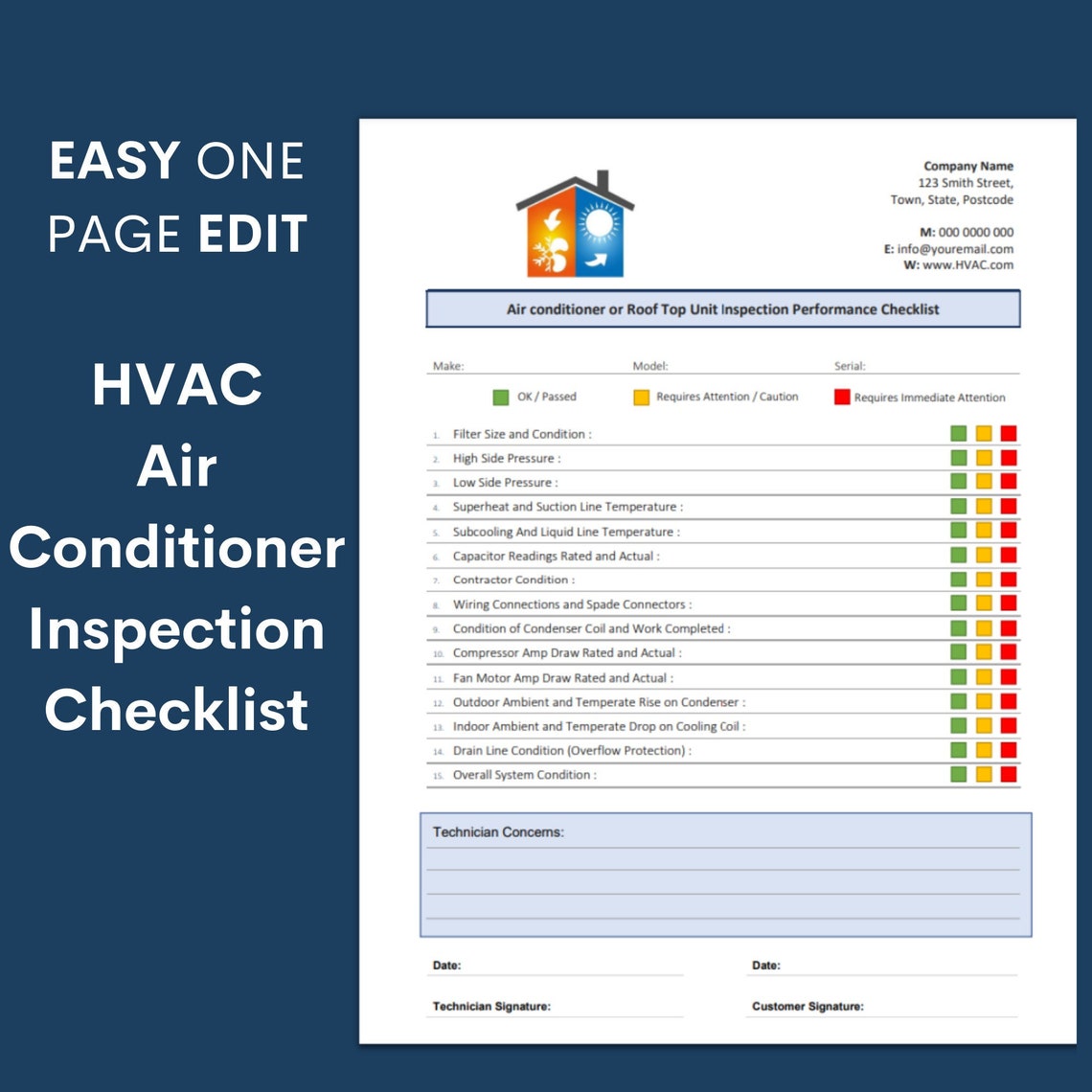
In conclusion, being well-informed about these aspects of air conditioner replacement can help you make a wise investment that ensures comfort and efficiency in your living space.
FAQ
What factors should I consider before buying a new air conditioner?
Factors to consider include the size of the unit, energy efficiency ratings, and matching the unit size to the space being cooled.
What are the benefits of ductless mini-split air conditioners?
Ductless mini-split air conditioners offer flexibility in cooling individual rooms, energy efficiency, and easy installation.
How can I prolong the lifespan of my new air conditioning unit?
Regular maintenance, following manufacturer guidelines, and timely repairs can help extend the lifespan of your air conditioning unit.




![Best HVAC Advertising Ideas [Examples Included] | Rival Digital](https://parenting.ragamnuansa.com/wp-content/uploads/2026/05/Screen-Shot-2022-09-30-at-12.35.47-PM-120x86.png)
![Best HVAC Advertising Ideas [Examples Included] | Rival Digital](https://parenting.ragamnuansa.com/wp-content/uploads/2026/05/Screen-Shot-2022-09-30-at-12.35.47-PM-350x250.png)