

Exploring the intricacies of managing complex commercial projects in the realm of air conditioning systems, this introduction sets the stage for a deep dive into the challenges and strategies employed by contractors in this specialized field.
As we delve further into the details, you'll gain a clear understanding of the meticulous planning, innovative design techniques, and precise execution required for success in handling large-scale commercial projects in the air conditioning industry.
Understanding the Scope of Complex Commercial Projects
Commercial projects handled by air conditioner contractors often involve large-scale buildings such as office complexes, shopping malls, hospitals, and industrial facilities. These projects require a comprehensive approach due to the size and complexity of the HVAC systems involved.Key Challenges Faced by Contractors
- Coordination: Managing multiple teams and subcontractors to ensure all components work together seamlessly.
- Tight Deadlines: Meeting project timelines while ensuring quality workmanship can be a significant challenge.
- Regulatory Compliance: Adhering to building codes, safety regulations, and environmental standards adds complexity to the project.
- Budget Constraints: Balancing the need for high-quality equipment and materials with budget limitations.
Importance of Detailed Planning and Preparation
Thorough planning and preparation are essential for the successful completion of complex commercial projects. This includes conducting a detailed site survey, creating a comprehensive project timeline, and developing contingency plans for unforeseen challenges. By investing time in planning upfront, contractors can streamline the project execution process and minimize costly delays.
Project Planning and Design
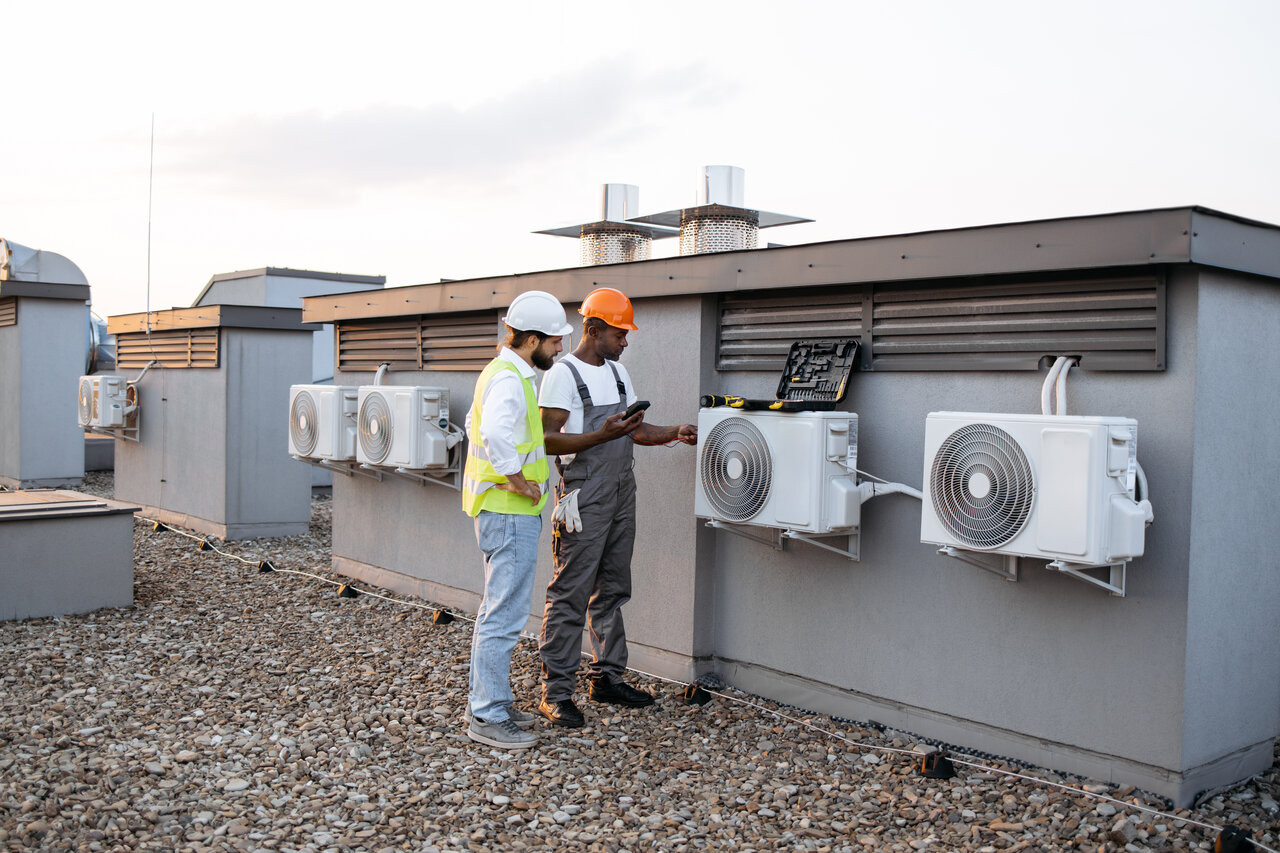 In the process of planning and designing an air conditioning system for a large commercial space, several crucial steps are involved to ensure the system meets the specific requirements of the area. HVAC engineers play a significant role in designing complex systems for commercial projects, working closely with air conditioner contractors to bring the project to fruition.
Role of HVAC Engineers
- Conducting thorough site assessments to determine the specific needs of the commercial space.
- Designing the layout of the HVAC system to optimize airflow and efficiency.
- Selecting the appropriate equipment and components based on the size and usage of the space.
- Calculating the cooling load requirements to ensure the system can meet the demands of the building.
Ensuring System Compliance
- Collaborating with architects and contractors to integrate the HVAC system seamlessly into the building design.
- Adhering to local building codes and regulations to ensure the system is safe and compliant.
- Conducting performance tests and inspections to verify that the system meets the specified requirements.
- Providing ongoing maintenance and support to keep the system running smoothly and efficiently.
Procurement and Installation Process
When it comes to large-scale commercial projects, the procurement and installation process plays a crucial role in the successful completion of the project. Let's delve into how air conditioner contractors handle this aspect.
Procuring Equipment and Materials
Contractors first identify the specific requirements of the project, including the type and quantity of equipment and materials needed. They then reach out to trusted suppliers and manufacturers to source these components. This involves obtaining quotes, comparing prices, and ensuring that the quality of the products meets the project standards.
Coordinating with Suppliers
- Contractors work closely with suppliers to establish delivery schedules that align with the project timeline. This coordination ensures that all components are delivered on time to avoid delays in the installation process.
- Regular communication with suppliers is key to address any issues that may arise, such as backorders or damaged goods, and find solutions promptly.
- Contractors may also have backup suppliers in place to mitigate risks and maintain project continuity in case of unforeseen circumstances.
Challenges of Installation in Large Commercial Spaces
- One of the main challenges faced during installation is the size and layout of the commercial space. Contractors need to navigate through complex structures and systems to install the air conditioning units efficiently.
- Managing logistics and coordinating with other trades working on the project can also pose challenges. Contractors must ensure that their installation process does not interfere with other construction activities and that safety protocols are followed at all times.
- Additionally, ensuring proper ventilation and airflow in a large commercial space requires careful planning and execution to guarantee optimal performance of the air conditioning system.
Testing, Commissioning, and Maintenance
In the final stages of a complex commercial air conditioning project, testing, commissioning, and maintenance play crucial roles in ensuring the system operates efficiently and effectively.Testing Procedures
- Pressure Testing: Contractors conduct pressure tests to check for leaks in the system. This involves pressurizing the system with nitrogen and monitoring for any drops in pressure.
- Performance Testing: Various performance tests are carried out to assess the cooling capacity, airflow, and overall functionality of the system.
- Electrical Testing: Contractors test the electrical components to ensure they are functioning correctly and safely.
Commissioning Process
- Functional Testing: Contractors perform functional tests to verify that all components of the air conditioning system are working as intended.
- Balancing: Balancing ensures that the airflow and temperature distribution are uniform throughout the building.
- Controls Testing: The control system is tested to ensure it can accurately regulate temperature and respond to user inputs.
Maintenance Strategies
- Regular Inspections: Scheduled inspections help identify potential issues early on before they escalate into major problems.
- Filter Replacement: Regularly changing air filters helps maintain indoor air quality and prevents strain on the system.
- Cleaning: Regular cleaning of coils, fins, and other components helps improve efficiency and prolongs the system's lifespan.
Last Recap
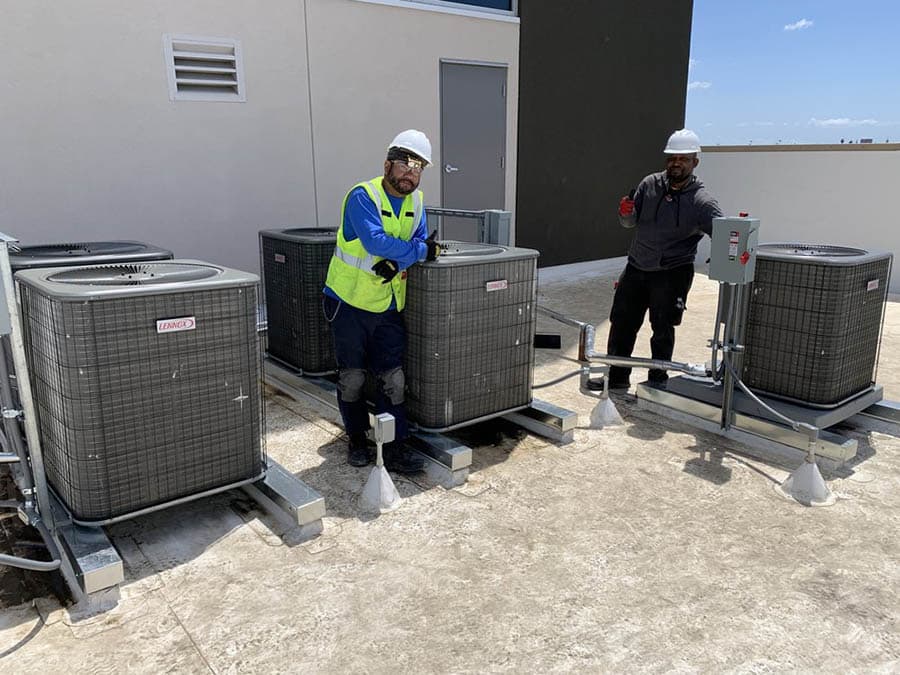
In conclusion, the journey through the world of air conditioner contractors and their approach to complex commercial projects reveals a meticulous process that combines expertise, precision, and dedication to delivering top-notch results. This discussion sheds light on the essential aspects of project management in this dynamic field, highlighting the crucial role of contractors in creating comfortable and efficient environments for commercial spaces.
Quick FAQs
How do contractors handle unexpected challenges during complex commercial projects?
Contractors rely on their experience and problem-solving skills to address unexpected challenges swiftly and effectively. They may also collaborate with other experts to find innovative solutions.
What are some common obstacles faced by air conditioner contractors in large-scale projects?
Common obstacles include tight project timelines, coordination with multiple stakeholders, compliance with regulations, and ensuring seamless integration of various system components.
How do contractors ensure the efficiency and longevity of air conditioning systems in commercial spaces?
Contractors implement routine maintenance schedules, conduct regular inspections, and use high-quality materials to ensure the longevity and efficiency of air conditioning systems in commercial settings.




![Best HVAC Advertising Ideas [Examples Included] | Rival Digital](https://parenting.ragamnuansa.com/wp-content/uploads/2026/05/Screen-Shot-2022-09-30-at-12.35.47-PM-120x86.png)
![Best HVAC Advertising Ideas [Examples Included] | Rival Digital](https://parenting.ragamnuansa.com/wp-content/uploads/2026/05/Screen-Shot-2022-09-30-at-12.35.47-PM-350x250.png)